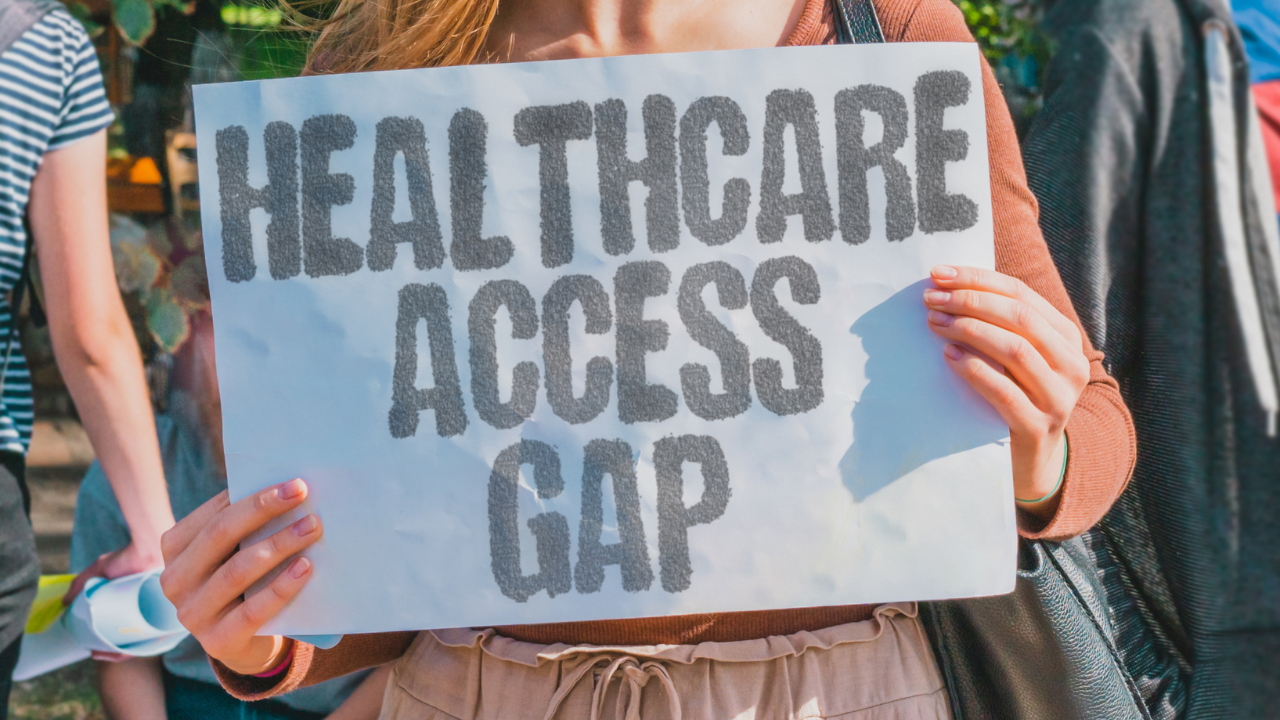
Health care delivery for people with intellectual and developmental disabilities (I/DD) is evolving, particularly following the implementation of H.R. 1, the One Big Beautiful Bill. Health care gaps affecting the I/DD population remain a complex public health issue, driven by challenges in patient-provider communication, Medicaid coverage, and access to supportive services for diagnosing and managing chronic health conditions.
People with I/DD may also present symptoms, including pain and psychosocial challenges, differently from the general population, which can complicate diagnosis and treatment. In a health care system marked by persistent inequities, it is especially important to identify opportunities to reduce disparities in I/DD health care and strengthen supporter practices.
People with I/DD are more likely to experience unmet social needs (Reichard et al., 2011). These disparities are shaped by differences in how symptoms may present across the lifespan and by the need for coordinated medical and social support. For example, people with I/DD may benefit from programs that foster social connections and provide behavioral health support as part of a holistic approach to well-being.
Clinician education is also essential, particularly around effective patient-provider communication, diagnostic screening, and treatment options. Because people with I/DD often manage multiple health conditions, health care must address the whole person rather than any single diagnosis in isolation.
These needs are especially important to consider in the context of H.R. 1, the One Big Beautiful Bill. The legislation has tightened eligibility criteria for Medicaid coverage and the Supplemental Security Income program, heightening the need to advocate for the unique health and social needs of people with I/DD.
The impact may be particularly significant in rural areas, where access to high-quality medical services is already limited. Provider organizations can help by participating in program development and engaging in federal and state-level opportunities that reinforce the importance of accessible, appropriate health care for people with I/DD.
Opportunities to respond to gaps in health care include health education and training for the clinical workforce. IntellectAbility supports these efforts by training the clinical workforce to improve health care delivery and diagnosis for people with I/DD. Through services such as the Curriculum in I/DD Health Care (CIDDH) and the Health Risk Screening Tool (HRST), the organization provides tailored education and resources designed to address the health needs of the I/DD population.
Expanding this knowledge across the clinical workforce can help make appropriate care more accessible and strengthen the quality-of-care people with I/DD receive.
More information about IntellectAbility and its services are available at replacingrisk.com/.
Mahima Dave is Grants and Research Coordinator at IntellectAbility.
Stay Informed on the Latest Research & Analysis from ANCOR