
Press Release - 04.17.26

ANCOR Issues Response to Robert F. Kennedy, Jr.’s Concerning Remarks About Home- and Community-Based Services
Share this page

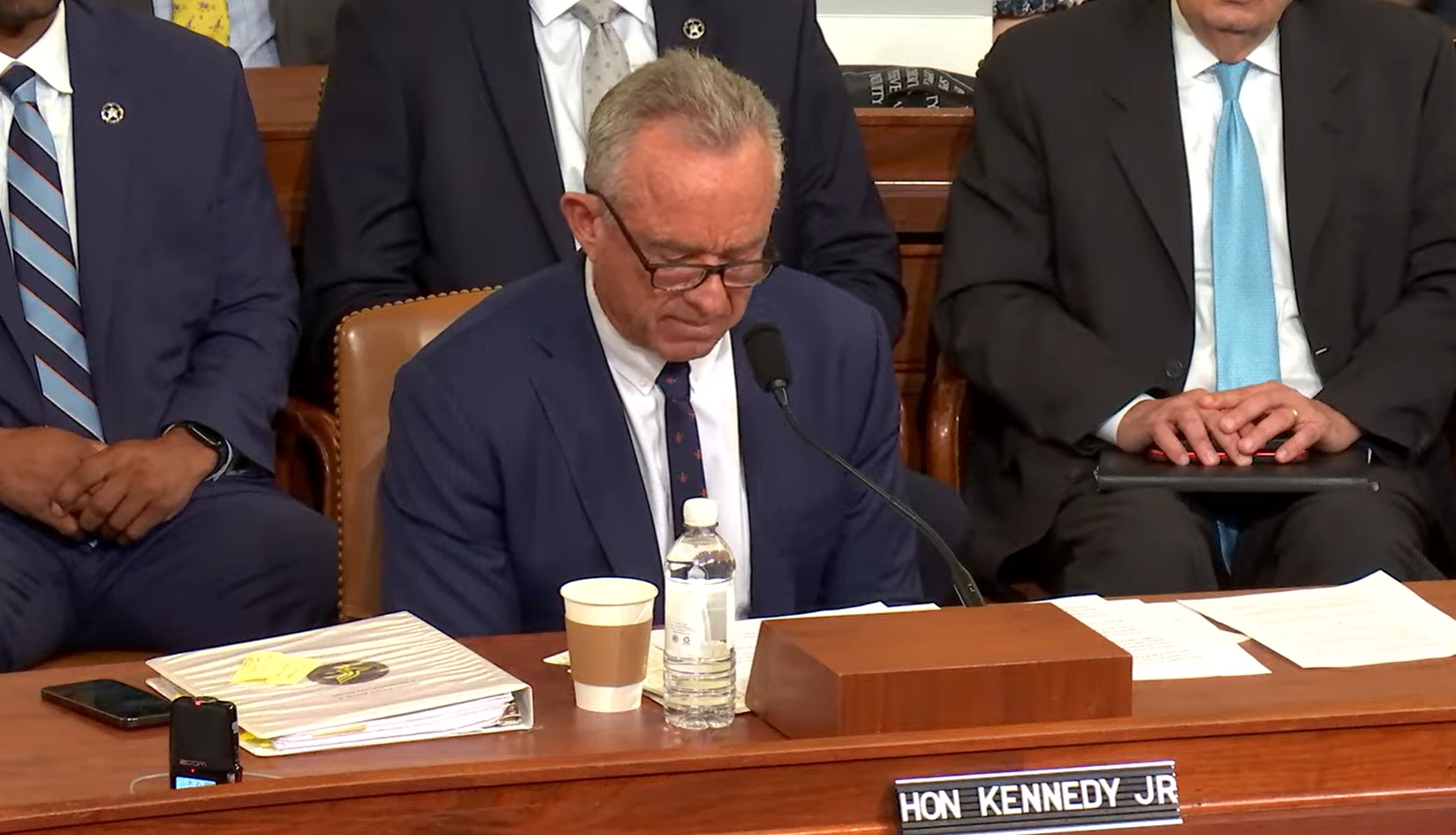
On April 16, U.S. Department of Health and Human Services (HHS) Secretary Robert F. Kennedy, Jr. testified in front of the House Ways and Means Committee about the administration’s fiscal year (FY) 2027 budget request. During the hearing, the Secretary made remarks regarding family caregivers and community-based services. Taken together with the recent statements from the President and CMS Administrator Oz, as well as the proposed deep cuts to the HHS budget and elimination of key disability programs, community providers are left gravely concerned for the future of home- and community-based services and the people with disabilities relying on their support.

In response to the Secretary’s remarks, ANCOR CEO Barbara Merrill issued the following statement:

“Recent public comments denigrating critical home- and community-based services (HCBS) made by the federal leaders that oversee Medicaid programs are deeply concerning. The undervaluing of HCBS demeans the very real, complex, and difficult work that caregivers—whether paid or unpaid—provide.

“Medicaid HCBS programs are much more than supporting an individual with the daily and essential needs that many of us take for granted, like getting dressed in the morning or traveling to a medical appointment. Indeed, for individuals with intellectual and developmental disabilities (I/DD), these services support skill development towards greater independence, community integration, and employment that enable people with I/DD to forego expensive public institutions and live full lives in their homes and communities.

“During Care Workers Recognition Month, Secretary Kennedy repeated statements from this administration that Medicaid HCBS programs are simply paying for services that should be provided for free by family members—a viewpoint that woefully diminishes the crucial work of millions of direct care workers and implies that instead family members should remain out of the workforce to care for a loved one or relative. Such thinking also ignores the reality that many family members are themselves elderly, disabled or otherwise incapable of providing the type of support described by administration officials. For some people with disabilities, no family exists that could replace the services provided by community-providers and direct support professional (DSPs).

“Medicaid home and community-based services were created to enable individuals with I/DD to receive necessary support from highly skilled DSPs. Providing additional support options for people with disabilities allows family members to remain in the workforce and continue to earn wages. Without the option to maintain employment, family members lose thousands of dollars annually in unearned wages. Additionally, a system that relies on unpaid family caregivers leads to mounting out-of-pocket expenses and the physical and emotional strain of caregiving for those family members, resulting in a greater likelihood that they will need additional support through public assistance themselves.

“ANCOR is a willing partner in ensuring the integrity of Medicaid-funded community-based services, but harmful rhetoric that undercuts the value of HCBS will not go unnoticed. We call on Secretary Kennedy and the administration to seek input from providers, the DSPs they employ, and the people with I/DD they support to better understand the true impact of HCBS in the lives of people with disabilities and their families.”

###