Some things are so woven into our daily lives that we rarely stop to notice them, until they’re gone. Electricity. Traffic signals. The internet. Their importance isn’t created by our awareness of them. We simply become more aware of their value when they’re no longer there. The same can be true of professions.
Some professions are immediately recognized because society understands the work they do. Others quietly shape lives every day without the same level of public visibility. That doesn’t make them less valuable. It simply makes their contributions harder for the broader public—and the systems that shape workforce policy—to fully recognize.
The recent unanimous approval of the Standard Occupational Classification (SOC) legislation by the Senate Homeland Security and Governmental Affairs Committee is an important step toward changing that. If enacted, the legislation would direct the Office of Management and Budget to establish a distinct occupational classification for Direct Support Professionals (DSPs), bringing greater visibility to a profession that has long been essential to community living.
What happens when a profession becomes more visible?
It becomes easier to understand.
It becomes easier to measure.
It becomes easier to strengthen.
Career pathways become clearer. Workforce data becomes more meaningful. Public policy and investment can be better informed. Visibility doesn’t create value—it helps others recognize, understand, and invest in the value that has always been there.
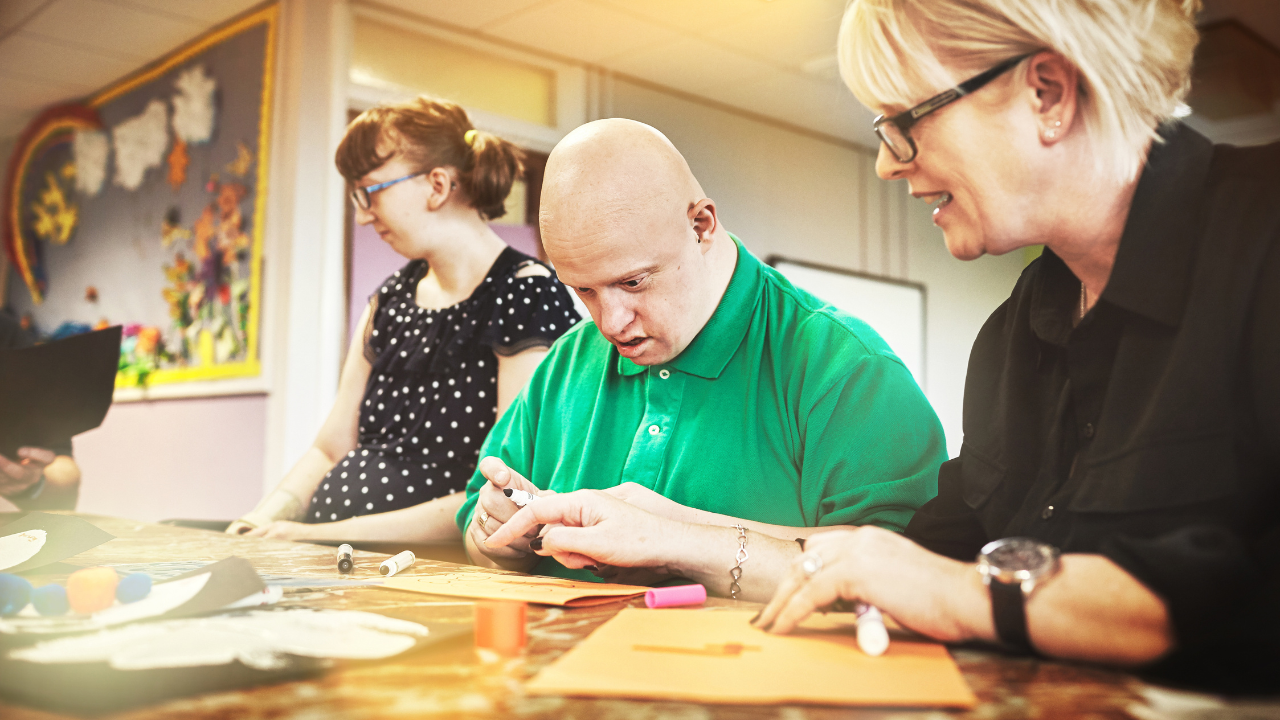
For providers, families, and the people receiving supports, the importance of Direct Support Professionals has never been in question. DSPs build relationships, foster independence, respond to challenges, celebrate successes, and help people live lives of their own choosing. This legislation doesn’t redefine their work. It helps ensure that our nation’s workforce systems recognize what our field has understood for decades.
As disability services continue to evolve, so does the workforce that makes them possible. Direct Support Professionals remain at the heart of person-centered supports, working alongside emerging roles—including Remote Support Specialists—that help expand access, strengthen continuity of support, and meet the changing needs of the people they serve. Recognition of one role doesn’t diminish another. It reflects a field that continues to grow, adapt, and innovate.
The opportunity before us is bigger than a new occupational classification. It’s a reminder that the future of disability services depends on recognizing the people who make it possible—and ensuring they have the visibility, understanding, and support they deserve.
Because when a profession becomes visible, it becomes possible to better understand it, strengthen it, and invest in its future.
Clare Husbands is the Director of Marketing at SafeinHome.
Stay Informed on the Latest Research & Analysis from ANCOR