March’s Developmental Disabilities Awareness Month is an important time to recognize the achievements, contributions, and lived experiences of individuals with developmental and intellectual disabilities. But for these individuals, as well as their caregivers, families, and community providers, advocacy and inclusion is a 24/7/365 commitment that shapes everyday life.
Awareness is only the first step. True independence requires action. For people with intellectual and developmental disabilities (I/DD), access to safe, reliable medication management is an important link between their health and quality of life. Moving from awareness to impact means ensuring the clinical support systems deliver the expertise, coordination and care necessary for individuals to live full, independent lives.
Connecting Clinical Expertise to Person-Centered Care
Person-centered care goes beyond placing the individual at the center—it’s about designing support that reflects their goals, preferences, and daily needs. It empowers them to live as independently as possible. This approach can be difficult to achieve when daily life involves managing complex regimens prescribed by different specialists.
Bridging this gap requires thoughtful collaboration within the care team. A long-term care (LTC) pharmacy can serve as an extension of the care team, helping community providers anticipate risks, coordinate care, and tailor interventions to each person. Rather than just filling prescriptions, an LTC pharmacy reviews the entire medication regimen to identify potential risks. By distinguishing side effects from changes in health, behavior, or functioning, these teams can prevent unnecessary hospitalizations and reduce disruptions to independence.
This level of pharmacy support creates the stability needed for individuals to remain active, engaged members of their community turning the promise of person-centered care into everyday reality.
Leveraging Technology for Care Teams
Technology in community care settings can act as a vital safety net, supporting both the individual and the staff responsible for their daily well-being. Key tools include:
Proactive Clinical Oversight: Specialized pharmacy systems monitor for risks like duplicate therapies, high-risk drug interactions and other issues before they affect the individual. These insights allow for earlier, more effective intervention.
eMAR and EHR Integration: Linking medication data directly with a community’s electronic records provides real-time visibility, ensuring continuity of care and preventing medical setbacks that can disrupt a person’s life.
Smart Packaging Solutions: Organizing medications by individual, date, and time eliminates guesswork for staff. This visual roadmap reduces errors and streamlines medication passes, allowing staff to focus their full attention on assisting those in their care.
Removing the Hurdles to Care
Independence is easier to achieve when logistical and administrative hurdles are cleared. Access to 24/7 on-call pharmacists, local emergency delivery, and assistance navigating prior authorization processes helps ensure that individuals’ medical needs are met consistently and a critical does is never missed.
Additionally, by handling difficult insurance and billing questions, the LTC pharmacy removes the administrative barriers that often lead to staff burnout. This allows providers to stay focused on what they do best: delivering exceptional care and supporting the well-being of the individuals they serve.
A Commitment to Year-Round Action
Person-centered care is an ongoing practice, not a one-time event. Inclusion and independence are cultivated through everyday actions. When the systems supporting individuals with I/DD align with their goals and daily realities, they are empowered to lead healthier, more fulfilling lives. As we reflect on Developmental Disabilities Awareness Month, the message remains clear: awareness must evolve into action.
By prioritizing practical, individualized support, care teams and communities can help people with I/DD achieve greater autonomy and live their best lives every day of the year.
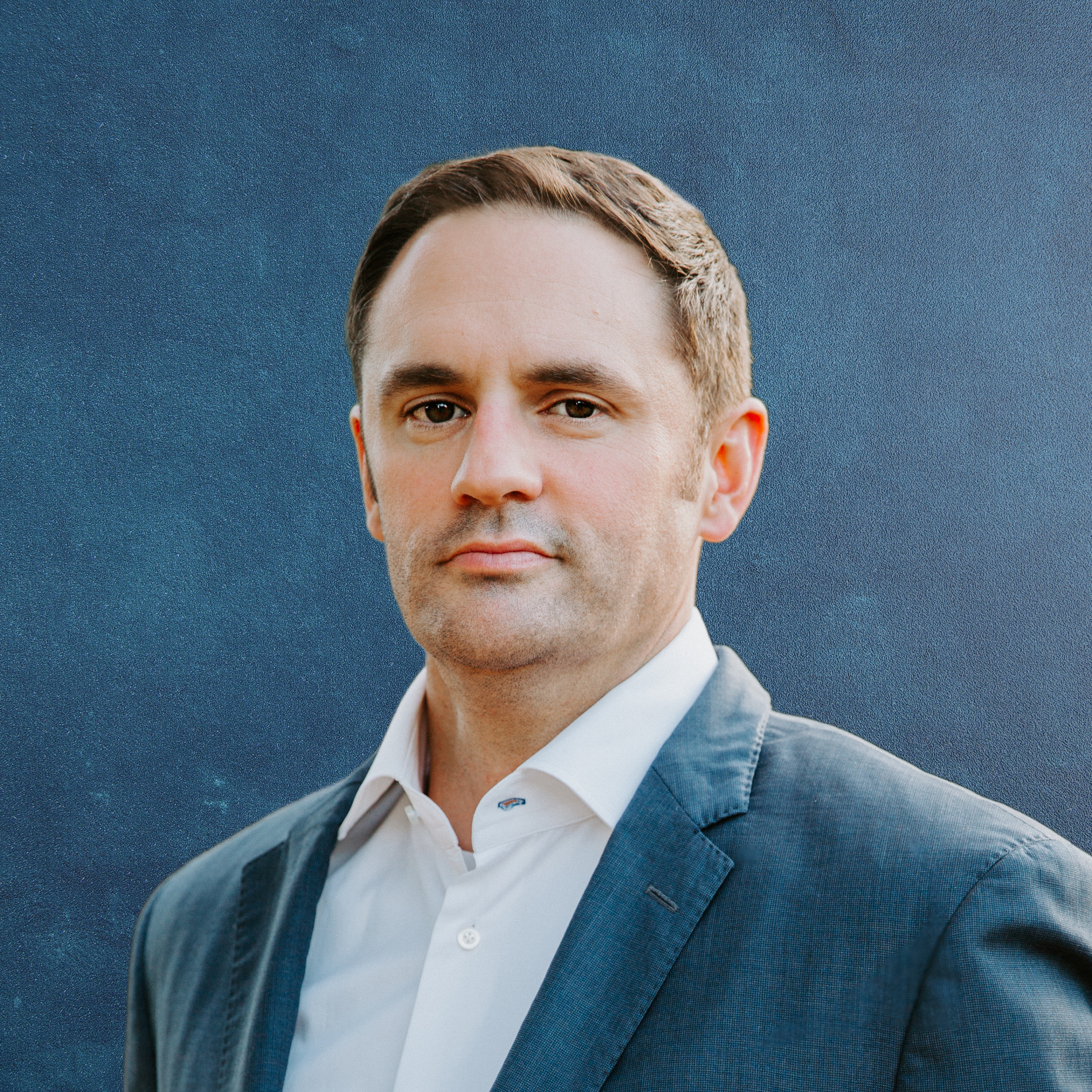
Kyle Simmons is co-president of Guardian Pharmacy Services’ Boomer Solutions.
Stay Informed on the Latest Research & Analysis from ANCOR